Why is neck training important for athletes?
A strong neck helps absorb impact, reducing the risk of concussions and whiplash-related injuries. It also improves posture and overall stability, making it essential for contact sports, combat athletes, and anyone looking to build total-body resilience.
How is this different from traditional neck exerciser harness training?
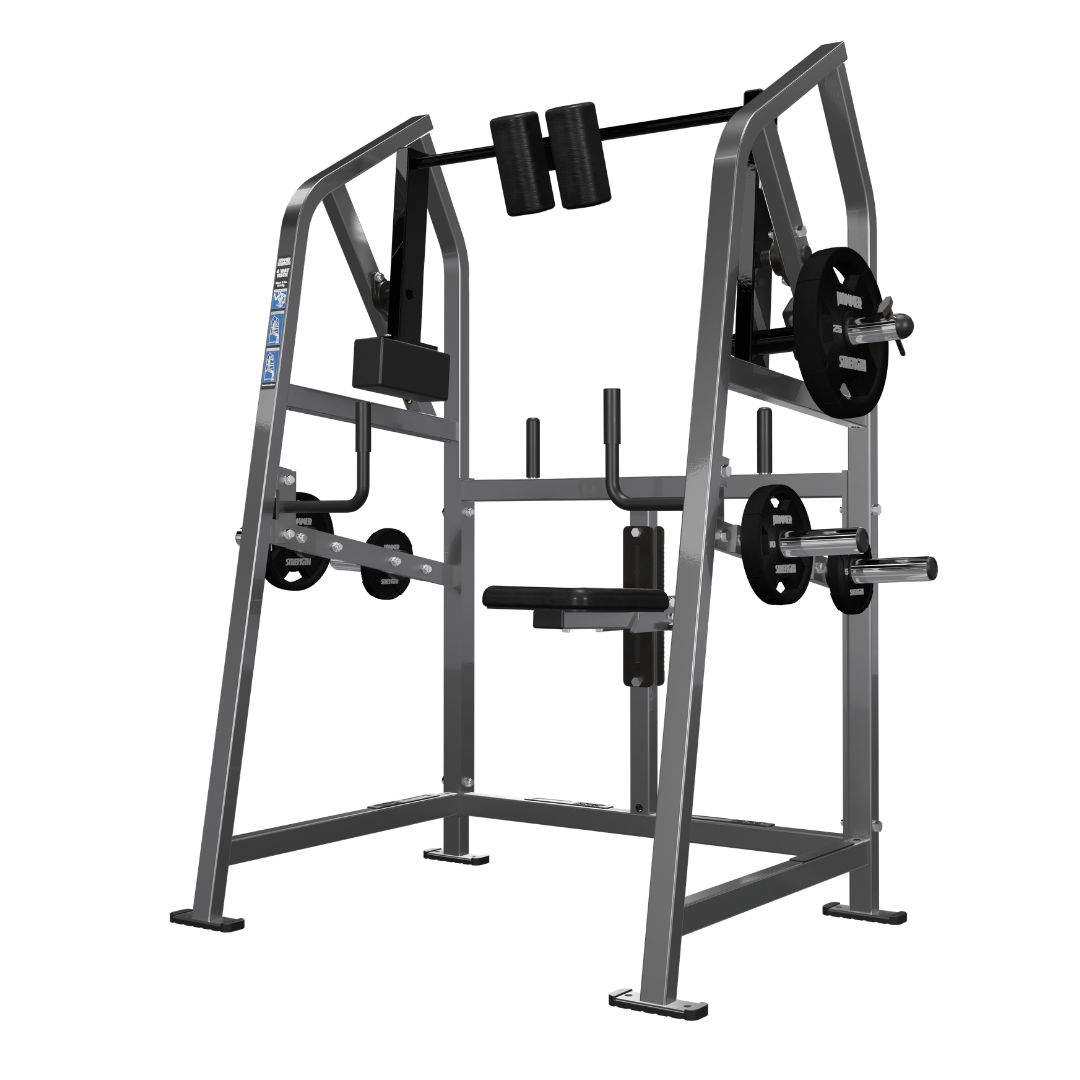
Unlike a neck harness, which primarily loads the neck in a single direction and can be unstable, the 4-Way Neck provides controlled plate loaded resistance in all planes of motion. It ensures safer, more effective strength development without unnecessary strain.
Is this machine beneficial for non-athletes?
Yes, neck training is valuable for anyone looking to improve posture, reduce neck pain, or enhance overall stability. Strengthening the neck can also help counteract the negative effects of prolonged desk work and poor posture.
What muscles does the Hammer Strength 4-Way Neck machine target?
Our machine strengthens the sternocleidomastoid (front of the neck), trapezius (upper back), and deep cervical muscles, as well as the lateral flexors responsible for side-to-side movement and stability.